By: Seasoned Mom, a mom to two children with autism, ages 13 and 9. She is also the spouse of someone on the spectrum. Her education background is with teaching birth to third grade children with an emphasis on special education, specifically autism.
The second most difficult thing to cope or manage in autism is finding clothing that doesn’t cause sensory overload. The first most difficult thing is food. In this blog, I am going to focus on clothing and things to keep in mind when buying clothing.
I only have girls, but I imagine the same applies to boys, underwear is tight and itchy. There are all kinds of frilly ribbons, different fabric materials and the worst: elastic. The same applies to bras. The most important thing I look for is what is the material that it is made of. Most polyester or nylon blends have a different feel than 100% cotton garments. They also absorb sweat differently. For my daughters, I focused on all cotton, no ribbons, no lace, no frilly edges, and if the elastic was sewn in between layers of fabric. Tags are also a big issue because they itch. A lot of brands have moved to the stamped tags, but some clothing still has a tag that sticks out. Sometimes a seam ripper can help remove the tag, but it leaves a rough edge to the underwear where it was attached. Big brands like Fruit of the Loom, Hanes, Cat & Jack at Target all have tag free undergarments. We have found durable cotton underwear on Amazon (product1 and product2).
However, when deciding on a brand it is important to look at seams. Are the legs encased in cotton or is it just stitching? If it is just stitching, that can be very itchy. Hanes has a stitched leg. Fruit of the loom has an encased leg and claims to be less itchy.
Bras have proven to be more difficult to find without tags, seams, itchy straps, etc. I have purchased so many different brands but the only brand that we have found to work is Fruit of the Loom. This specific style has a looser band, fewer seams, no tag but still has itchy straps. Bralets, camisoles and tank tops are also good alternatives to a traditional bra until they reach a certain age where a sports bra is necessary. I like these crop top options as they are seamless but also end lower than a traditional bra making the pressure more bearable. The spaghetti strap option is also a favorite in our house.
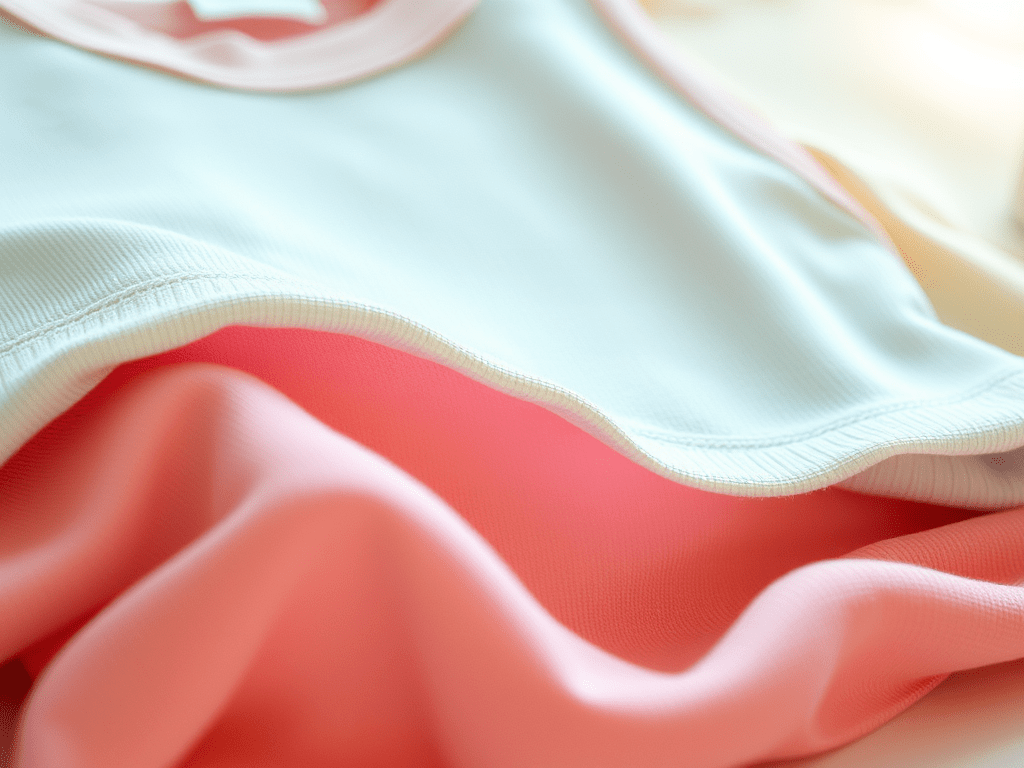
Lastly, a basic tank top works in the earlier stages of puberty. Here is an example of what we chose.
Now for shirts and pants, we have found that girl clothing is tighter, shorter and not as comfortable as boy clothing. My oldest daughter prefers all clothing from the boys department for this reason. Looser, less form fitting clothing is much more comfortable! We do not have a specific brand that we prefer, but here are some things to consider when buying. Look at tags for sure. Is the tag stamped on or is it sewn in? If it’s sewn in, can it easily be removed? Consider how the clothing fits, is it form fitting or is it loose? Does it hug the body in the arms, waist and legs? What does the band look like on shorts or pants? Does the shirt have a tighter collar?
Some other things to consider with clothing are snaps, zippers and buttons. Most children with autism struggle with the fine motor skills necessary for doing snaps, zippers and buttons. Avoiding these can allow the child to gain independence with dressing. Pull up pants or shorts are great options and most come in a soft, stretchy material. Often the band of the shorts or pants will be encased in the material, avoiding itchiness. The same with the stamped tag. The seams along the sides can be tricky though, as it is necessary for a seam. However, sometimes the seam is thinner and is less itchy. But if the seam is bulky it can be an irritant to the child.
Socks have always been the absolute worst! So many brands have a seam along the toe, a tight fitting ankle or textures if it’s a decorative sock. Hanes socks have been the most successful for our house.
An example of textured socks would look like these, where there are patterns or different colors. It creates a seam around each color that is felt on the inside of the sock.

Socks in general have become something the girls have learned how to cope with wearing. There are not a lot of ways to avoid seams and elastic for socks.
Outerwear and snow gear are also complicated. It is necessary to have all of this stuff on, and snug and there aren’t a lot of ways to change that either. Tennis shoes can sometimes be changed for other types of shoes like crocs. Or some children love having their feet nice and warm and compressed and prefer to wear warm boots like Uggs. Some children go completely barefoot and will only compromise on wearing sandals. It just depends on the child and if they can tolerate the confinement of shoes. I don’t have suggestions for snow gear, other than to look at the zipper and if there are adjustable cuffs. Adjustable cuffs are great when the child is wearing gloves and wants to have a tight fit to prevent snow from getting into the glove. Look for zippers with a velcro enclosure so the child can velcro the coat if they struggle with zippers.
Most importantly, let them wear what they want! Life is too complicated to have to battle your child on what they wear! Just do your best to find options that they prefer and then purchase several of that brand and style! It helps if the child can go shopping with you to look, feel and try on clothes but that isn’t always possible. Do your best with what you know your child likes!

 Neurodivergent Space
Leave a comment