By: Anonymous.
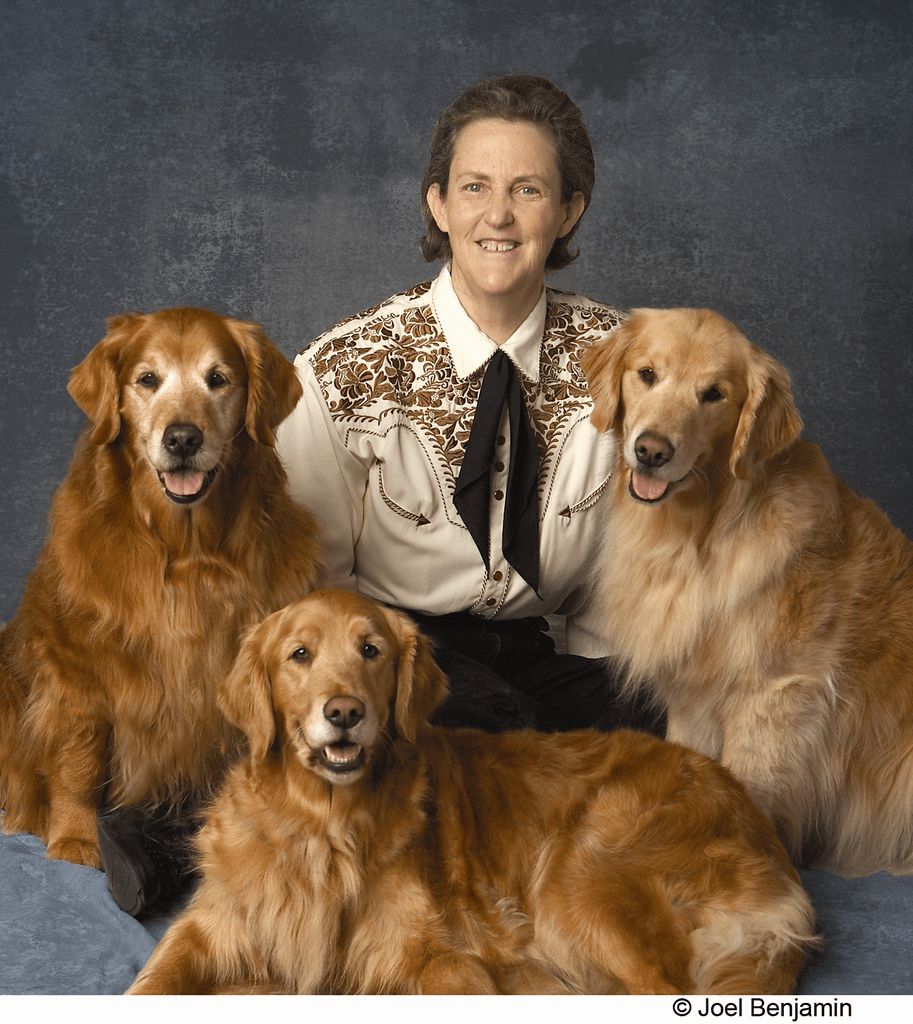
It is one of the most comprehensive, insightful and inspiring articles about autism [link], written by the legendary Temple Grandin (introduced in the end) who showed typical autism symptoms in her early years. The article is long, and below is a summary, however, every sentence of the original content contains super useful information and the article is worth reading multiple times.
Take-away: Temple was nonverbal until she was three and a half years old. She had typical autism symptoms such as sensory issues and language process problems. She discussed these problems and potential solutions (e.g., medications to help with depression, rubbing the skin with different cloth textures to help desensitize skin oversensitivity, and gentler form of holding therapy can improve eye contact, language, and sociability). Early interventions such as speech therapy were helpful, and her creative mentors turned her fixations to skills and then to a successful career. A cool skill and successful career also opened up many social doors. People respect talent even if they think you are “weird.”
Here are some notes
- [Scream] Screaming was the only way I could communicate. Once she learned how to speak, she didn’t need to scream.
- [Not responding] It is like an open microphone that picks up everything. I have two choices: turn the mic on and get deluged with sound, or shut it off.
- [Sensitive to noise] Sudden loud noises hurt my ears like a dentist’s drill hitting a nerve.
- [Sensitive to new clothes] It takes me three to four days to fully adapt to new clothes.
- [Aggressive behavior] I almost never feel aggressive after using the squeeze machine. Medication / Beta blockers could greatly reduce aggressive behavior (but you should obtain medical advice from professionals doctor); Vigorous exercise can decrease disruptive behavior.
- [Sensitive to touch] I wanted to feel the good feeling of being hugged, but when people hugged me the stimuli washed over me like a tidal wave.
- [Squeeze machine] I realize that unless I can accept the squeeze machine I will never be able to bestow love on another human being.
- [Puberty] shortly after my first menstrual period, the anxiety attacks started. Intense pressure and vestibular stimulation calmed my nerves. Other researchers have found vigorous exercise can decrease stereotypies and disruptive behavior.
- [Medication] Tofranil and 50 mg Norpramin (desipramine) have changed my life. Antidepressants led to a steady improvement in my speech, sociability, and posture.
- [Family history] Family histories of high-functioning autistics often contain giftedness, anxiety or panic disorder, depression, food allergies, and learning disorders.
- [Comforting tactile] A gentler form of holding therapy (for baby) is effective and can improve eye contact, language, and sociability.
- [Turn fixations to skills] Teachers need to use fixations to motivate instead of trying to stamp them out. A narrow, fixated interest needs to be broadened into constructive activities.
- [Visual thinking] If somebody says the word “cat,” my images are of individual cats I have known or read about. I do not think about a generalized cat. To remember information such as the drug doses discussed on the tape I had to create a picture to stand for the dose. For example, 300mg is a football field with shoes on it. The shoes remind me that the number is 300 feet, not yards.
- [Visual thinking] My career as a designer of livestock facilities maximizes my talent areas and minimizes my deficits. Statistics are extremely difficult and Algebra is almost impossible.
- [Maximizing Strength] In my own case, many social doors opened after I made scenery for the college talent show. I was still considered a nerd, but now I was a “neat” nerd. People respect talent even if they think you are “weird.” People became interested in me after they saw my drawings and pictures of my jobs. I made myself an expert in a specialized area.
- [Fulfilling life] My life is my work. If a high- functioning autistic gets an interesting job, he or she will have a fulfilling life. I spend most Friday and Saturday nights writing papers and drawing. Almost all my social contacts are with livestock people or people interested in autism.
- [How did I recover: early intervention] At age 2, I had all the typical autistic symptoms. The speech therapist was the most important professional in my life. At age 3, my mother hired a governess who kept me and my sister constantly occupied. My day consisted of structured activities such as skating, swinging, and painting.
- [How did I recover: elementary school] I went to a normal elementary school with older, experienced teachers and small classes.
- [How did I recover: puberty] I got kicked out of high school for fighting. I then moved on to a small country boarding school for gifted children with emotional problems.
- [Autism programs] Early, intense intervention improves the prognosis. Passive approaches don’t work. My governess was sometimes mean, but her intense, structured intervention prevented me from withdrawing. A good little children’s program should include flexible behavior modification, speech therapy, exercise, sensory treatment (activities that stimulate the vestibular system and tactile desensitization), musical activities, contact with normal children, and lots of love.
Introduction of Temple Grandin:
Mary Temple Grandin (born August 29, 1947) is a prominent livestock researcher. Grandin is one of the first autistic people to document the insights she gained from her personal experiences with autism. As of today (Y2024), Temple is still actively promoting Autism awareness and acceptance (here is an interview 6 months ago). Here is her website and here are a few books he wrote.

 Neurodivergent Space
Leave a comment